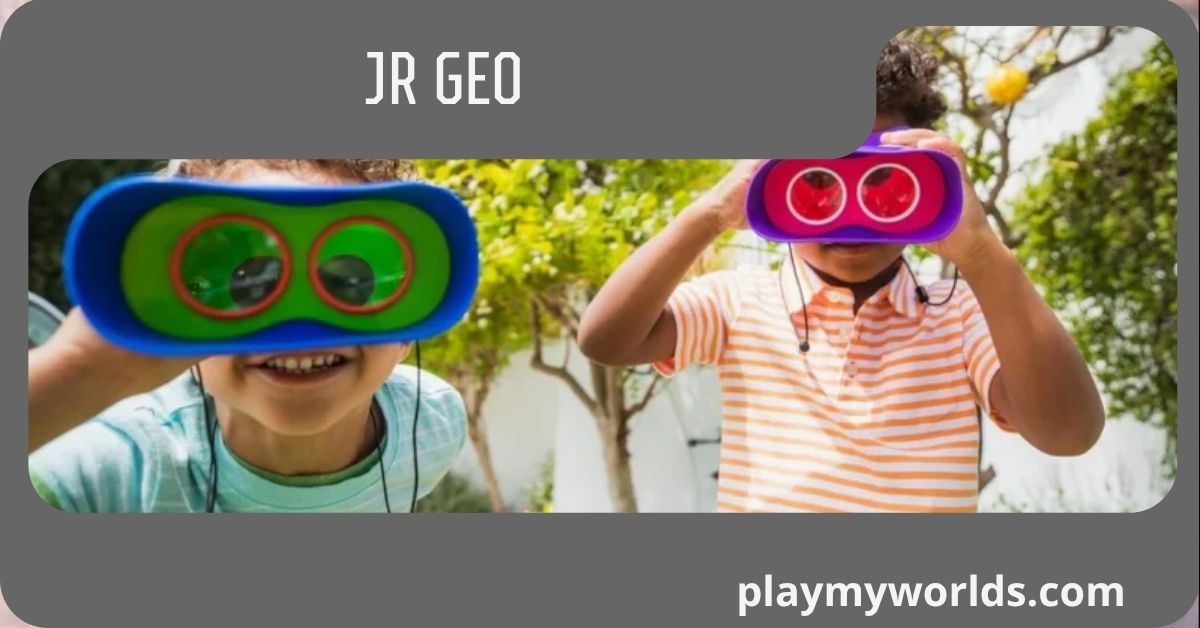
JR Geo: The Complete Guide to Interactive Geography Learning for Kids
Geography helps children understand the world, different cultures, natural environments, and how people live across the globe. As digital education continues to grow, interactive learning has become one of the most effective ways to teach these concepts. This is where jr geo stands out as an engaging geography learning platform for young learners.
By combining interactive maps, educational games, quizzes, and easy-to-follow lessons, jr geo makes learning about countries, continents, landmarks, and world geography both fun and memorable. Instead of relying only on traditional textbooks, it encourages students to explore the world through hands-on activities that improve understanding and long-term retention.
This guide covers everything you need to know about jr geo, including its features, educational benefits, classroom applications, learning methods, and future potential. Whether you are a parent, teacher, or student, you’ll discover how jr geo makes geography more engaging and helps build a strong foundation in global knowledge.
What Is JR Geo?
jr geo is an interactive educational geography platform created to help children learn about the world through digital exploration. Instead of presenting information in long paragraphs, the platform uses engaging activities that encourage students to participate actively.
Young learners can explore continents, countries, capitals, landmarks, oceans, rivers, mountains, flags, and cultures through interactive exercises. Many activities are designed like games, making geography feel more like an adventure than a school subject.
The platform supports both classroom learning and home education, allowing students to practice at their own pace while improving their geographical knowledge.
Its main objective is simple:
Help children understand the world by making geography exciting, visual, and interactive.
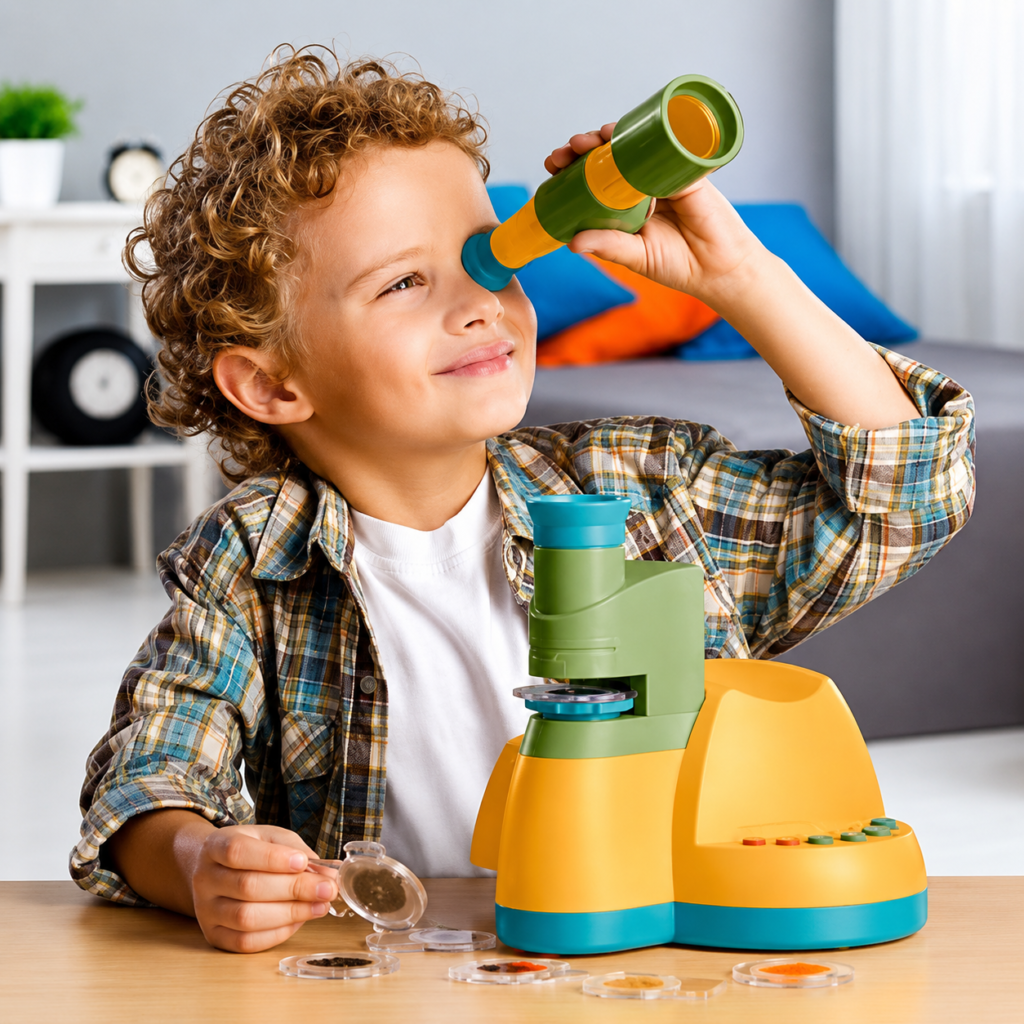
Why Geography Education Matters More Than Ever
Many people think geography is simply about memorizing maps. In reality, geography teaches students how the world works.
It explains how climate affects daily life, why cultures differ, how trade connects countries, and why environmental conservation matters. Geography also helps children become informed global citizens.
Modern geography education develops:
- Critical thinking
- Spatial awareness
- Cultural understanding
- Environmental responsibility
- Global awareness
- Map-reading skills
- Problem-solving abilities
Platforms like jr geo make these concepts much easier to understand because children can interact with maps rather than only reading about them.
How JR Geo Makes Geography Fun
Traditional geography lessons often involve reading textbooks and memorizing facts. While this method works for some students, many children learn better through visual experiences and interaction.
jr geo introduces several engaging learning techniques.
Interactive Maps
Students can zoom into countries, identify borders, locate oceans, and discover major cities.
Instead of looking at a static picture, learners actively explore different regions.
Geography Games
Games transform learning into an enjoyable challenge.
Examples include:
- Country matching
- Flag identification
- Capital city quizzes
- Landmark puzzles
- Continent races
- World map challenges
Gamification encourages repeated practice without making learning feel repetitive.
Visual Learning
Children often remember images better than text.
Maps, illustrations, colorful icons, and animations improve memory retention significantly.
Immediate Feedback
Instead of waiting for a teacher to grade assignments, students instantly know whether their answers are correct.
Immediate feedback helps reinforce learning.
Core Features of JR Geo
Interactive World Maps
One of the strongest features of jr geo is its interactive mapping system.
Students can:
- Explore every continent
- Locate countries
- Study political boundaries
- Understand physical geography
- Learn regional differences
Interactive maps encourage exploration rather than passive reading.
Country Profiles
Every country can become a learning opportunity.
Students may discover:
- Capital city
- Population
- Official language
- Currency
- National flag
- Famous landmarks
- Geographic location
- Neighboring countries
Learning becomes much more meaningful when facts are connected visually.
Educational Games
Games improve engagement while reinforcing important concepts.
Popular learning activities may include:
- Drag-and-drop country placement
- Flag matching
- Capital quizzes
- Continent challenges
- Map puzzles
- Time-based geography competitions
These games improve both speed and accuracy.
Quizzes
Regular quizzes help students measure progress.
Quizzes may focus on:
- Continents
- Countries
- Oceans
- Mountains
- Rivers
- Capitals
- Flags
- World landmarks
Frequent practice strengthens long-term memory.
Age-Appropriate Lessons
Young learners need content that matches their developmental stage.
jr geo organizes lessons into manageable learning units, allowing children to build knowledge gradually instead of feeling overwhelmed.
Subjects Covered in JR Geo
The platform goes beyond simple maps.
Students can explore many geography topics.
Continents
Children learn about:
- North America
- South America
- Europe
- Africa
- Asia
- Australia
- Antarctica
Each continent includes unique geographical features and cultural information.
Countries
Students discover countries around the world while learning their locations, capitals, and national identities.
Physical Geography
Physical geography introduces natural features such as:
- Mountains
- Rivers
- Lakes
- Deserts
- Forests
- Oceans
- Volcanoes
Understanding these features helps students appreciate Earth’s diversity.
Human Geography
Human geography focuses on how people interact with the environment.
Topics include:
- Population
- Cities
- Agriculture
- Transportation
- Cultures
- Languages
- Economic activities
This helps students understand why societies develop differently around the world.
Climate
Climate lessons explain:
- Tropical regions
- Polar climates
- Deserts
- Rainforests
- Seasonal changes
- Weather patterns
Interactive climate maps make these concepts easier to understand.
Benefits of Using JR Geo
Makes Learning Enjoyable
Children naturally enjoy exploring, solving puzzles, and completing challenges.
Instead of forcing memorization, jr geo turns geography into an adventure.
Encourages Independent Learning
Students can progress at their own pace.
They can revisit difficult lessons whenever needed without pressure.
Improves Memory
Interactive activities increase information retention compared to passive reading.
Children remember places more easily after exploring them on maps.
Supports Different Learning Styles
Every student learns differently.
Some prefer reading.
Others prefer visuals.
Some enjoy games.
jr geo combines multiple learning methods, making geography accessible for a wider range of learners.
Builds Confidence
Completing quizzes and earning achievements motivates students.
Small successes encourage continued learning.
Strengthens Digital Skills
Students also improve technology skills while navigating educational tools, using interactive maps, and completing digital activities.
These skills are valuable beyond geography classes.
JR Geo for Elementary School Students
Elementary learners benefit greatly from visual education.
At this age, children are naturally curious about animals, countries, famous places, and different cultures.
jr geo introduces these topics through simple, engaging lessons that avoid overwhelming young minds with excessive detail.
Instead of memorizing long lists, children learn by exploring.
This exploration-based approach creates stronger curiosity and better long-term understanding.
JR Geo for Middle School Learners
As students grow older, geography becomes more detailed.
Middle school learners begin studying:
- Population distribution
- Climate systems
- Economic geography
- Environmental challenges
- Natural resources
- Political boundaries
- Global trade
jr geo can support these more advanced topics by connecting concepts with interactive visuals, allowing students to see relationships between geography and real-world events.
For example, instead of simply reading about deserts, students can compare desert regions across multiple continents, observe climate patterns, and understand how people adapt to these environments. This type of active learning develops deeper thinking rather than simple memorization.
JR Geo in the Classroom
Modern classrooms are changing quickly. Teachers are moving away from lessons that rely only on textbooks and worksheets. Instead, they are using digital tools that encourage students to participate, ask questions, and solve problems. jr geo fits well into this modern learning environment because it combines geography education with interactive technology.
Teachers can introduce a topic, demonstrate it using an interactive map, and then allow students to explore the same location independently. This method helps students become active learners rather than passive listeners.
A typical classroom lesson using jr geo might include:
- Introducing a continent or country
- Exploring an interactive world map
- Discussing important physical features
- Completing a short geography game
- Taking a quiz to review knowledge
- Assigning additional practice for homework
This structure keeps students engaged while reinforcing key concepts throughout the lesson.
How Teachers Can Use JR Geo Effectively
Teachers can integrate jr geo into daily geography lessons in several practical ways.
Interactive Warm-Up Activities
Beginning class with a five-minute geography challenge can help students review previously learned material.
Examples include:
- Locate today’s mystery country.
- Match five flags to their countries.
- Identify the correct continent.
- Find the capital city.
These quick activities prepare students for the day’s lesson.
Visual Demonstrations
Instead of drawing maps on a whiteboard, teachers can use digital maps to demonstrate:
- Country borders
- Mountain ranges
- Rivers
- Oceans
- Climate zones
- Population centers
Visual explanations are often easier for students to understand than verbal descriptions alone.
Group Learning
Students can work together on geography challenges.
For example:
- One student identifies the country.
- Another finds the capital.
- Another explains the climate.
- Another shares an interesting cultural fact.
Collaborative learning encourages communication and teamwork.
Assessment
Teachers can use quizzes to measure student understanding after each lesson.
Instant feedback helps identify topics that may require additional review.
How Parents Can Use JR Geo at Home
Learning does not end when school finishes. Parents can support geography education by making it part of everyday family activities.
jr geo offers opportunities for children to continue exploring the world outside the classroom.
Parents can encourage learning by:
Also Read:Tumbons: The AI-Powered Game Development Platform
- Exploring one new country each week
- Discussing world news using maps
- Playing geography games together
- Asking children to locate vacation destinations
- Learning about different cultures before family trips
These simple activities make geography part of daily life rather than just another school subject.
Skills Students Develop with JR Geo
Although geography is the main subject, students also develop many additional skills.
Critical Thinking
Students compare regions, identify patterns, and analyze relationships between geography and human activities.
Observation Skills
Interactive exploration encourages careful observation of maps and geographic features.
Research Skills
Children learn how to gather information and answer questions independently.
Memory Development
Repeated interactive practice improves long-term recall.
Digital Literacy
Using educational technology prepares students for future digital learning environments.
Problem Solving
Many geography games require students to think logically before making decisions.
How JR Geo Supports Different Learning Styles
Every child learns differently.
A strong educational platform should support multiple learning preferences.
Visual Learners
Maps, diagrams, images, and colors help visual learners understand concepts quickly.
Reading Learners
Written explanations provide detailed information about countries and regions.
Interactive Learners
Hands-on activities allow students to learn by doing rather than simply reading.
Competitive Learners
Quizzes, scores, and challenges motivate students who enjoy competition.
Self-Paced Learners
Students can repeat lessons until they feel confident.
This flexibility reduces learning pressure.
JR Geo Compared with Traditional Geography Learning
Traditional geography education has helped students for generations. Textbooks, atlases, classroom lectures, and paper maps remain valuable resources. However, today’s learners often benefit from combining these traditional methods with interactive technology.
| Feature | JR Geo | Traditional Learning |
| Interactive Maps | Yes | Limited |
| Geography Games | Yes | Rare |
| Instant Feedback | Yes | Usually No |
| Student Engagement | High | Moderate |
| Self-Paced Learning | Yes | Limited |
| Multimedia Learning | Yes | No |
| Classroom Collaboration | Strong | Strong |
| Visual Exploration | Excellent | Good |
Rather than replacing traditional education, jr geo works best as a complementary learning tool that makes geography more engaging and accessible.
Supporting STEM Education
Although geography is often considered a social studies subject, it also supports science, technology, engineering, and mathematics (STEM).
Students studying geography also learn about:
- Earth science
- Climate systems
- Environmental conservation
- Geographic data
- Mapping technology
- Satellite imagery
- Natural disasters
Understanding geography helps students see how different scientific fields connect with the real world.
Common Challenges When Learning Geography
Many students struggle with geography for several reasons.
These challenges include:
- Memorizing country locations
- Remembering capitals
- Understanding map scales
- Reading coordinates
- Identifying physical features
- Distinguishing similar-looking countries
jr geo addresses many of these difficulties by allowing repeated practice through interactive exercises rather than relying solely on memorization.
Tips for Getting the Most from JR Geo
Students can improve their learning experience by following a few simple strategies.
Practice Regularly
Short daily sessions are often more effective than long study periods once a week.
Explore Beyond Assignments
Students should take time to explore countries that interest them personally.
Curiosity leads to deeper learning.
Repeat Quizzes
Repeating quizzes helps strengthen memory and identify areas for improvement.
Connect Geography to Real Life
Watching international news, following sports events, or discussing travel destinations makes geography more meaningful.
Set Personal Goals
Students can challenge themselves to:
- Learn five new countries each week.
- Master every continent.
- Identify all world flags.
- Memorize major rivers.
- Explore one culture every weekend.
Small goals make learning enjoyable and measurable.
The Future of JR Geo
Digital education continues to evolve, and geography learning is becoming more interactive every year. Platforms like jr geo represent a shift from passive learning to active exploration. Instead of simply reading about countries and landscapes, students can engage with maps, quizzes, and multimedia content that make lessons more memorable.
In the coming years, educational geography platforms are expected to include even more advanced features, such as:
Artificial Intelligence (AI)
AI can personalize geography lessons by identifying a student’s strengths and weaknesses. For example, if a learner struggles to remember African countries, the platform could automatically recommend additional quizzes and activities focused on Africa.
Augmented Reality (AR)
AR technology could allow students to view mountains, volcanoes, rivers, and famous landmarks in three dimensions. This immersive experience would help children better understand the Earth’s physical features.
Virtual Reality (VR)
Virtual reality has the potential to transform geography education completely. Instead of only seeing pictures of places like the Amazon Rainforest or the Grand Canyon, students may one day experience virtual field trips that feel almost real.
Smarter Learning Analytics
Future versions of interactive learning platforms may provide detailed reports showing:
- Time spent learning
- Quiz performance
- Strong subjects
- Areas needing improvement
- Weekly learning progress
- Personalized recommendations
These insights can help both teachers and parents provide better support.
Why Interactive Geography Is the Future of Education
Students today grow up surrounded by digital technology. They naturally respond well to interactive learning experiences because they encourage exploration instead of memorization.
Interactive geography education offers several advantages:
- Better student engagement
- Improved long-term memory
- More classroom participation
- Increased curiosity
- Higher motivation
- Easier understanding of complex concepts
- More enjoyable learning experiences
Rather than replacing teachers, platforms like jr geo serve as valuable educational tools that enhance traditional instruction.
Expert Insights on Geography Learning
Educational experts generally agree that children learn more effectively when they actively participate in lessons. Geography is particularly well suited to interactive learning because maps, locations, and physical features are visual by nature.
Some of the most effective geography teaching strategies include:
- Using visual maps instead of text alone
- Encouraging exploration and discovery
- Reinforcing lessons through quizzes
- Connecting geography with current events
- Including cultural and environmental topics
- Allowing students to learn at their own pace
jr geo aligns well with these modern educational practices by making geography both informative and engaging.
Potential Limitations of JR Geo
No educational platform is perfect, and it is helpful to understand a few possible limitations.
Internet Access
Interactive online learning usually requires a reliable internet connection. Students with limited connectivity may not always have the same experience.
Screen Time
While digital learning has many benefits, children should balance educational screen time with outdoor activities, reading, and hands-on experiences.
Teacher Guidance Is Still Important
Technology works best when combined with quality instruction. Teachers help students think critically, answer questions, and connect geography with real-world situations.
Learning Styles Vary
Although many children enjoy interactive learning, some still benefit from printed maps, atlases, and written exercises. A combination of digital and traditional resources often provides the best educational experience.
Best Practices for Teachers Using JR Geo
Teachers can maximize learning outcomes by following a few simple practices.
Combine Digital and Traditional Learning
Use jr geo alongside textbooks, printed maps, classroom discussions, and group activities rather than relying on a single teaching method.
Encourage Exploration
Allow students to investigate countries or regions that interest them. Personal curiosity often leads to deeper understanding.
Use Geography Across Subjects
Geography connects naturally with:
- History
- Science
- Environmental studies
- Economics
- Civics
- Culture
- Language arts
Cross-curricular learning helps students see how geography relates to everyday life.
Celebrate Progress
Recognizing student achievements—whether mastering all continents or improving quiz scores—can increase confidence and motivation.
Tips for Parents Supporting Geography Learning
Parents play an important role in reinforcing classroom learning. Here are a few practical ideas:
- Explore a new country together each week.
- Watch documentaries about different parts of the world.
- Discuss maps while planning vacations.
- Encourage children to identify countries in international news.
- Read books about world cultures.
- Cook foods from different countries and learn where they come from.
- Use globes and atlases alongside digital learning.
These activities help children connect geography with real-life experiences.
Common Misconceptions About Geography Learning
Some people still have outdated ideas about geography education. Let’s clear up a few common misconceptions.
Geography Is Just Memorizing Maps
Modern geography involves much more than locating countries. It includes climate, ecosystems, cultures, economies, natural resources, urban development, and environmental issues.
Geography Is Only Useful in School
Geography influences travel, business, weather forecasting, international trade, environmental planning, logistics, and many everyday decisions.
Digital Learning Replaces Teachers
Interactive platforms support teachers rather than replace them. Educators remain essential for explaining concepts, encouraging discussion, and helping students apply what they learn.
Who Can Benefit from JR Geo?
Although jr geo is designed primarily for young learners, many groups can benefit from its interactive approach.
Also Read:Mypasokey: The Secure Passwordless Authentication, Features, Benefits, and Best Practices
Students
Children can build geography knowledge while developing confidence and curiosity about the world.
Teachers
Educators can enrich classroom lessons with engaging activities and assessments.
Parents
Families can use geography games and interactive maps to support learning at home.
Homeschooling Families
Parents teaching at home may find jr geo useful as part of a broader geography curriculum.
Libraries and Learning Centers
Community learning spaces can use interactive geography tools to encourage educational exploration.
Frequently Asked Questions
Is JR Geo suitable for beginners?
Yes. jr geo is designed with beginner-friendly lessons that make geography easy to understand for young learners.
Can adults use JR Geo?
Although it is primarily intended for children, adults who want to refresh their geography knowledge may also find it useful.
Does JR Geo only teach world geography?
The platform focuses mainly on geography, but lessons may also introduce cultural, environmental, and historical information to provide broader context.
Can JR Geo support homeschooling?
Yes. Homeschooling families can use interactive maps, quizzes, and lessons as part of their geography curriculum.
How often should students use JR Geo?
Short sessions of 15 to 30 minutes several times a week are generally more effective than long study sessions once in a while.
Can geography learning improve critical thinking?
Yes. Geography encourages students to analyze relationships between people, places, environments, and global events, helping them develop stronger critical-thinking skills.
Is JR Geo appropriate for classroom group activities?
Absolutely. Teachers can incorporate interactive quizzes, collaborative map exercises, and geography challenges into group lessons.
Conclusion
As education continues to embrace digital innovation, interactive learning platforms are becoming an important part of the classroom experience. jr geo demonstrates how geography can move beyond memorizing maps and become an engaging journey of exploration. Through interactive maps, educational games, quizzes, and visually rich lessons, students gain a deeper understanding of countries, cultures, environments, and the world around them.
One of the greatest strengths of jr geo is its ability to inspire curiosity. Instead of viewing geography as a list of facts to remember, learners begin asking meaningful questions about how people, places, and natural systems are connected. This approach helps build critical thinking, cultural awareness, and global understanding—skills that are valuable far beyond the classroom.
For teachers, jr geo offers an engaging resource that complements traditional instruction. For parents, it provides an enjoyable way to support learning at home. For students, it transforms geography into an exciting adventure filled with discovery and exploration.
As educational technology continues to evolve with artificial intelligence, augmented reality, and personalized learning experiences, platforms like jr geo are well positioned to play an even greater role in shaping the future of geography education. Whether used in schools, homeschooling environments, or independent study, jr geo encourages lifelong curiosity about our world and helps young learners develop the knowledge and confidence to explore it.